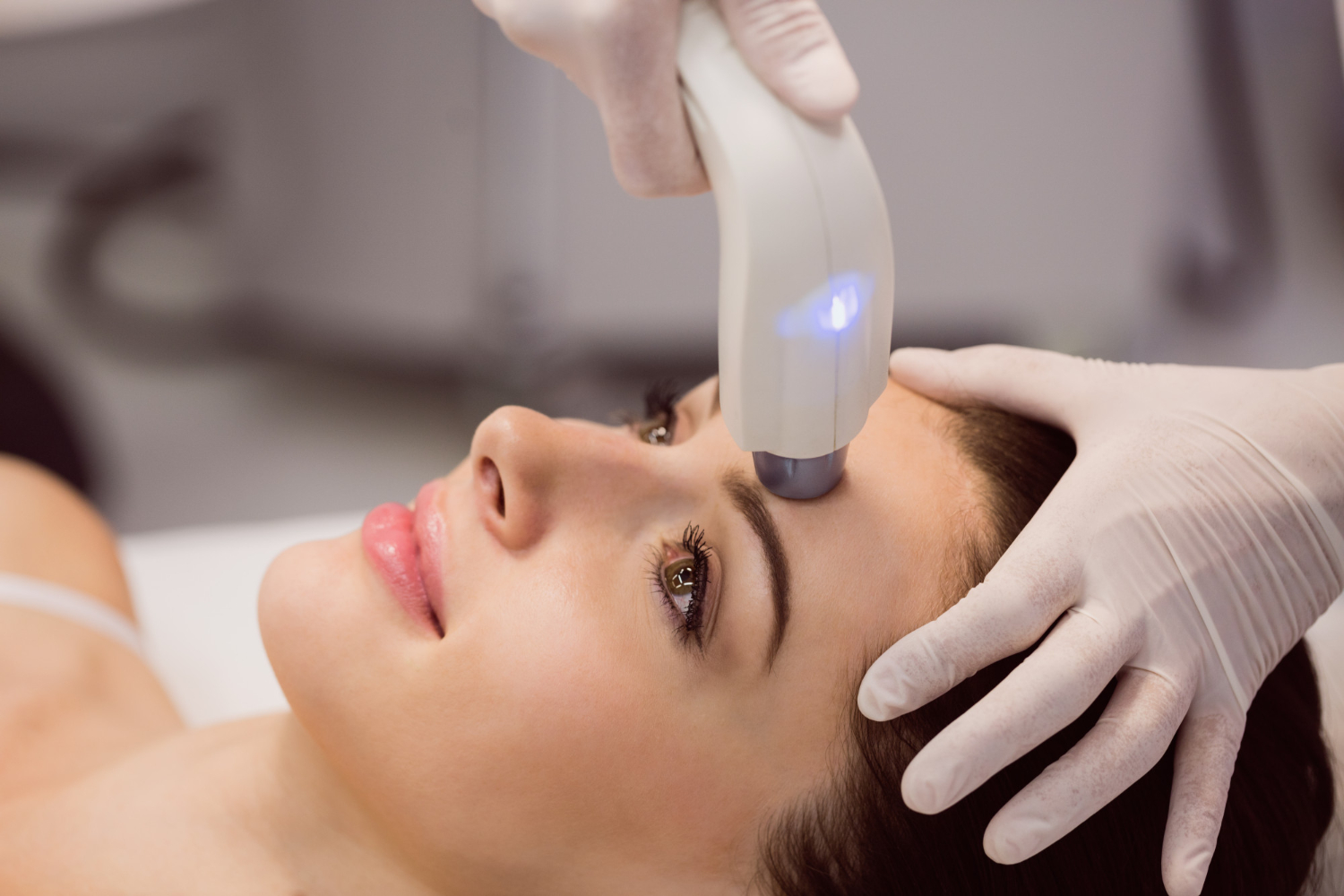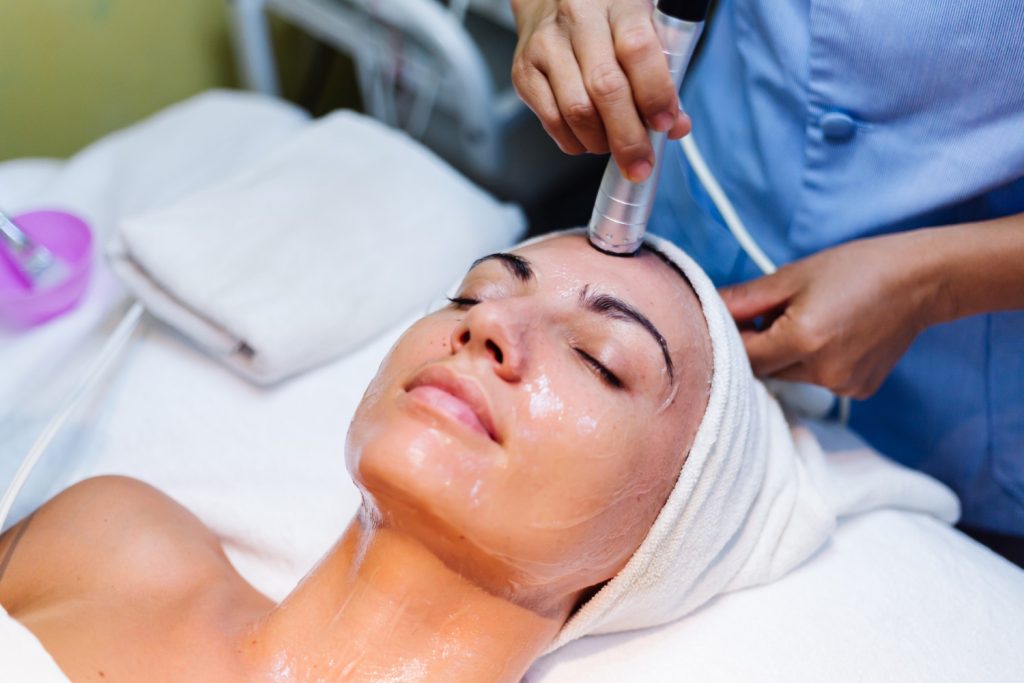
If your skin looks dull, uneven, or affected by pigmentation, acne marks, or rough texture, professional skin peeling can be one option to consider. Skin Peeling Treatment Egypt is a popular aesthetic procedure designed to remove damaged outer skin cells and encourage a smoother, brighter-looking complexion.
Unlike ordinary exfoliation at home, professional peeling should be selected according to your skin type, concerns, and treatment goals. Dermatologists can use different peeling strengths depending on the condition being treated. Chemical peels may help improve uneven skin tone, some forms of acne, fine lines, sun damage, and rough-feeling skin.
What Is Skin Peeling Treatment?
Skin peeling is a professional exfoliation treatment that uses a carefully selected solution to remove layers of damaged or dead skin cells. As the treated skin heals, newer skin becomes visible, which can create a smoother and more even appearance.
The appropriate peel depends on several factors, including:
- Skin type and sensitivity
- Pigmentation concerns
- Acne and acne marks
- Skin texture
- Sun damage
- Fine lines
- Desired treatment depth
- Previous skincare or aesthetic treatments
A consultation is important because not every peel is suitable for every person.
What Can Skin Peeling Treatment Egypt Help With?
Professional chemical peels can address several common skin concerns. Depending on the type and strength of the peel, treatment may help improve:
1. Uneven Skin Tone
Pigmentation and an uneven complexion can make the skin appear tired or dull. A professionally selected peel can help improve the appearance of uneven pigmentation and promote a more uniform-looking complexion.
2. Acne and Acne Marks
Some chemical peels are used as part of acne treatment because they can help remove dead skin cells and excess oil that contribute to clogged pores.
For acne scarring, a dermatologist may recommend a chemical peel or combine it with other treatments depending on the type of scar and the patient’s skin.
3. Dull or Rough Skin
Accumulated dead skin cells can contribute to a rough or dull appearance. Professional exfoliation can help reveal smoother-looking skin.
4. Fine Lines
Certain chemical peels can improve the appearance of some fine lines and signs of sun-related skin aging.
5. Sun-Damaged Skin
Sun exposure can contribute to pigmentation, uneven tone, and changes in skin texture. Depending on the condition, a dermatologist may include chemical peeling within a broader skin-rejuvenation plan.
Types of Skin Peels
Not all skin peels work in the same way. Chemical peels are generally selected according to their depth and the patient’s individual needs.
Superficial Peels
These are designed to work on the outermost layers of the skin. They may be considered for concerns such as dullness, mild uneven pigmentation, and skin texture.
Superficial peels generally have less downtime than deeper treatments, although temporary redness and scaling can occur.
Medium Peels
Medium-depth peels reach deeper into the skin and can be used for selected pigmentation, sun damage, fine lines, and other concerns. They usually involve more noticeable recovery than superficial peels.
Deep Peels
Deep peels involve significantly greater treatment depth and require careful medical supervision. Recovery can be considerably longer, so they are not appropriate for everyone.
The strength of a peel should never be selected simply because a stronger treatment appears to promise faster results. A qualified professional should determine the appropriate approach.
How Does Skin Peeling Treatment Work?
Before treatment, the skin is assessed and cleansed. The selected peeling solution is then applied carefully to the treatment area.
The solution works on the targeted layers of skin. Depending on the treatment, patients may experience temporary warmth, tingling, redness, dryness, or peeling during the recovery period.
As the skin heals, the treated surface gradually sheds, allowing newer skin to become visible.
The American Academy of Dermatology recommends professional evaluation before chemical peeling because the results and risks can depend significantly on the experience of the person performing the procedure.
What Should You Expect After a Skin Peel?
Recovery varies depending on the type and depth of the peel.
A mild peel may cause temporary redness followed by scaling for several days. Medium and deeper peels can involve longer periods of redness, swelling, peeling, and recovery.
Your specialist may recommend:
- Gentle cleansing
- Regular moisturising
- Avoiding unnecessary irritation
- Strict sun protection
- Avoiding picking or scratching peeling skin
- Following prescribed aftercare instructions
Daily sunscreen is particularly important after treatment because freshly treated skin can be more vulnerable to sun exposure.
Is Skin Peeling Suitable for Everyone?
Not necessarily. The right treatment depends on your skin condition and medical history.
During consultation, tell your dermatologist about:
- Current medications
- Previous acne treatments
- Recent cosmetic procedures
- History of cold sores
- Previous scarring
- Skin sensitivity
- Previous chemical peels
This information can help the specialist determine whether peeling is appropriate and what preparation or aftercare may be required.
People with darker skin tones can also undergo chemical peels, but choosing an experienced dermatologist is especially important because inappropriate treatment can increase the risk of pigmentation changes.
Skin Peeling vs. Home Exfoliation
Home exfoliation and professional skin peeling are not the same.
Home exfoliation generally removes dead skin cells using mechanical or chemical products. Stronger professional peels are performed under controlled conditions and are selected according to the patient’s skin and treatment goals.
The AAD warns that some at-home chemical peels can cause serious injuries and recommends using professional chemical peels under the supervision of a licensed, trained provider.
Why Choose Professional Skin Peeling in Egypt?
Choosing the treatment based only on price or peel strength is not enough. A professional approach should begin with an assessment of your skin and the concern you want to address.
At Aeon Aesthetic Clinics, skin treatments are planned according to individual skin needs. The clinic’s existing skin-rejuvenation approach includes Skin Peeling Treatment Egypt alongside options such as skin boosters, Dermapen, PRP, and HIFU, depending on the patient’s concerns and goals.
The objective is not simply to make the skin peel. The treatment should be selected to support healthier-looking skin, improved texture, and a more balanced complexion.
Frequently Asked Questions
How long does a skin peeling treatment take?
The treatment time depends on the type of peel, the area being treated, and the individual’s treatment plan. Your specialist can explain the expected duration during consultation.
Will my skin peel immediately?
Not always. Some peels cause mild scaling, while others can produce more noticeable peeling over the following days. The reaction depends on the type and strength of the treatment.
Can skin peeling help pigmentation?
Chemical peels can be used to address certain types of pigmentation and uneven skin tone. However, the cause of pigmentation should first be evaluated so the appropriate treatment can be selected.
Can skin peeling treat acne?
Certain chemical peels may be used as part of an acne treatment plan because they can help remove dead skin cells and excess oil.
How many sessions are needed?
There is no single number that works for everyone. Some mild peels may require multiple sessions, while other treatments may have different schedules. Your dermatologist can recommend an appropriate treatment plan based on your skin.
Is there downtime?
Downtime depends on the depth of the peel. Mild treatments can involve only a few days of redness or scaling, while medium and deep peels require longer recovery periods.
Book a Skin Peeling Consultation in Egypt
If you are considering Skin Peeling Treatment Egypt for pigmentation, acne, uneven skin tone, dullness, or rough texture, start with a professional skin assessment.
At Aeon Aesthetic Clinics, your skin can be evaluated before recommending a suitable treatment approach. This helps ensure that the procedure is selected according to your skin type, concerns, and desired outcome.